Quick Fact Sheet
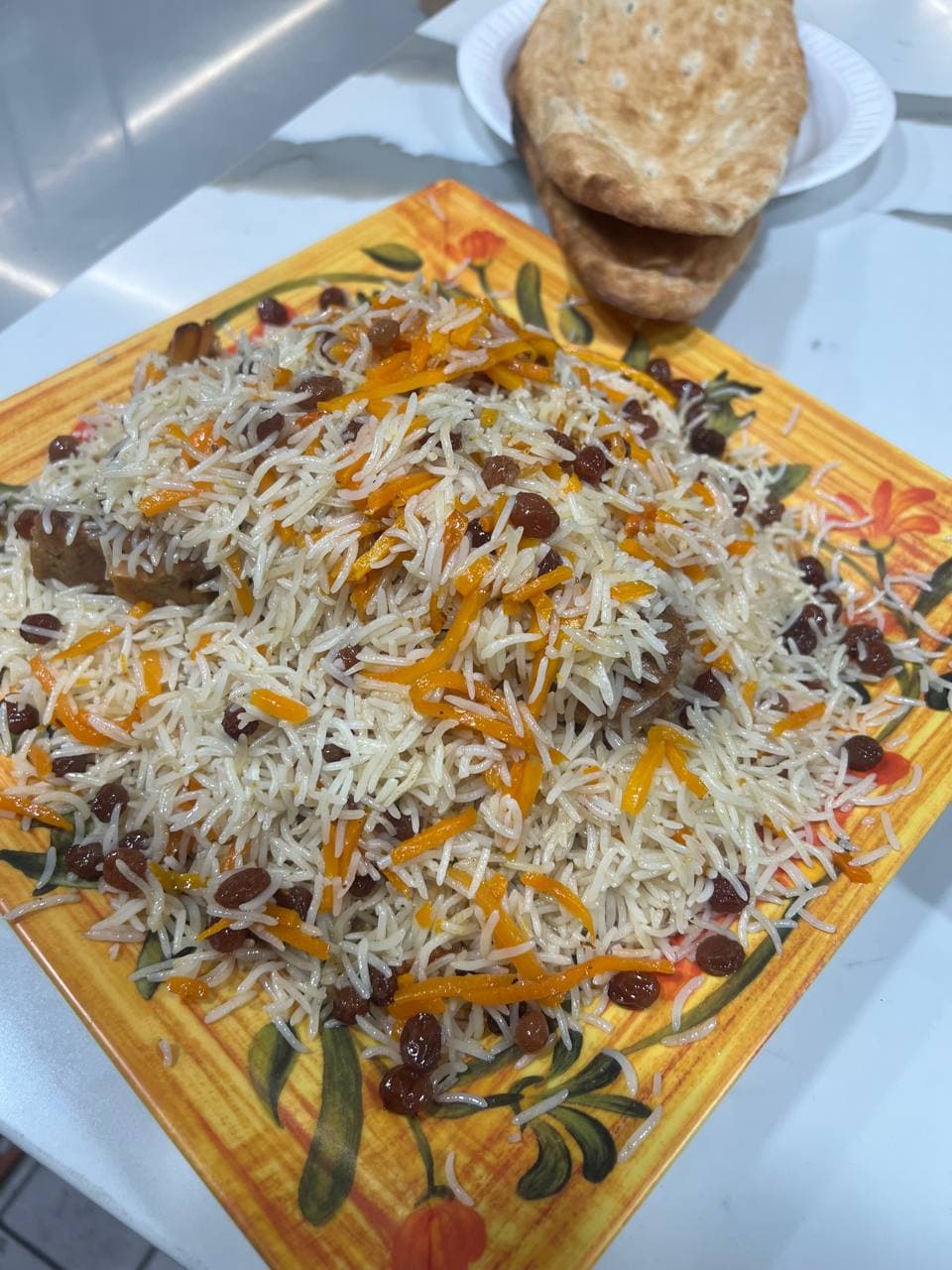
Qabuli Palau is the celebrated national dish of Afghanistan. It is a sophisticated aromatic rice dish featuring tender slow-cooked meat (usually lamb) buried under long-grain Basmati rice, crowned with a sweet-savory garnish of caramelized julienned carrots, raisins, and slivered nuts. It represents the pinnacle of Afghan hospitality.
If Afghan cuisine had a crown jewel, it would undoubtedly be Qabuli Palau. More than just a meal, it is a symbol of Afghan hospitality, a centerpiece of every celebration, and a dish that carries the weight of centuries of culinary tradition.
What is the origin of the name Qabuli Palau?
The name "Qabuli" (or "Kabuli") is often linked to the capital city of Kabul. However, many culinary historians believe the name actually stems from the Dari word Qabili, meaning "learned" or "capable." This aptly reflects the high level of skill and patience required to master the art of perfect Palau. In traditional Afghan homes, a woman's culinary prowess was often judged by her ability to prepare this sophisticated dish.
What are the key ingredients in Qabuli Palau?
What sets Qabuli Palau apart from other rice dishes in the region is its unique balance of savory and sweet. It is not just a pile of rice and meat; it is a meticulously layered architectural wonder of flavors.
The Essential Elements:
- •The Rice: Long-grain Basmati rice, cooked so each grain remains separate and firm.
- •The Meat: Traditionally slow-cooked lamb or beef, hidden beneath the rice, so tender it falls apart at the touch of a fork.
- •The Charms: A vibrant topping of julienned, caramelized carrots and plump raisins (sultanas).
- •The Spices: A sophisticated blend of cardamom, cumin, and cloves that perfumes the entire room.
- •The Garnish: Slivered almonds and pistachios for a delicate crunch.
How is authentic Qabuli Palau prepared?
At Kabobistan, our chefs follow the traditional multi-step process. The meat is first browned and then slow-simmered to create a rich, flavorful broth. The rice is then parboiled and finished in a process called Dam (steaming), where it absorbs the essence of the spices and the meat. Meanwhile, the carrots and raisins are sautéed separately to bring out their natural sugars before being added to the top of the rice mountain.
Why is Qabuli Palau a symbol of hospitality?
In Afghanistan, the presence of Qabuli Palau on the table is an immediate signal of high respect for a guest. It is the dish of choice for weddings, Eid celebrations, and family reunions. It embodies the Afghan value of Mehman-nawazi (hospitality)—giving the best of what you have to those you welcome into your home.
Frequently Asked Questions
Is Qabuli Palau gluten-free?
Yes, naturally, as it is based on rice and meat.
Can I order it with chicken?
While lamb is traditional, we also offer versions with chicken or beef.
Where can I find the best Qabuli Palau in Woodbridge, VA?
You don't have to travel to Kabul to experience the national dish of Afghanistan. At Kabobistan in Woodbridge, VA, we take immense pride in our Qabuli Palau, preparing it daily with the finest ingredients and the deepest respect for authentic tradition.
Craving the Taste of Tradition?
Come and taste the authentic Qabuli Palau that has made us a local favorite in Woodbridge.